Why Taking Health Courses Might Be Your Best Decision Yet.

In today's fast-paced world, many of us feel the pull toward better health but struggle to know where to start. Taking a structured health course can provide that missing direction, turning vague intentions into real, sustainable changes. Whether you are looking to boost your own energy levels or explore a new professional path, these programs offer practical tools that fit into busy lives without overwhelming them.

Building Stronger Daily Habits
One of the first things participants notice is how quickly small lessons translate into everyday routines. A module on nutrition might lead you to swap processed snacks for whole foods, while a section on movement encourages short walks during lunch breaks. Over weeks these adjustments compound, often resulting in steadier energy and fewer afternoon slumps. The structured format keeps you accountable without the pressure of going it alone.
Opening Doors to New Opportunities
Beyond personal gains, health courses frequently serve as stepping stones into rewarding careers. Graduates often find roles in wellness coaching, community health programs, or corporate wellness initiatives. The knowledge gained covers everything from basic anatomy to behavior change strategies, giving you a solid foundation that employers value. Many students report that completing even a single certificate opened conversations they never expected during job interviews.

Connecting With Like-Minded People
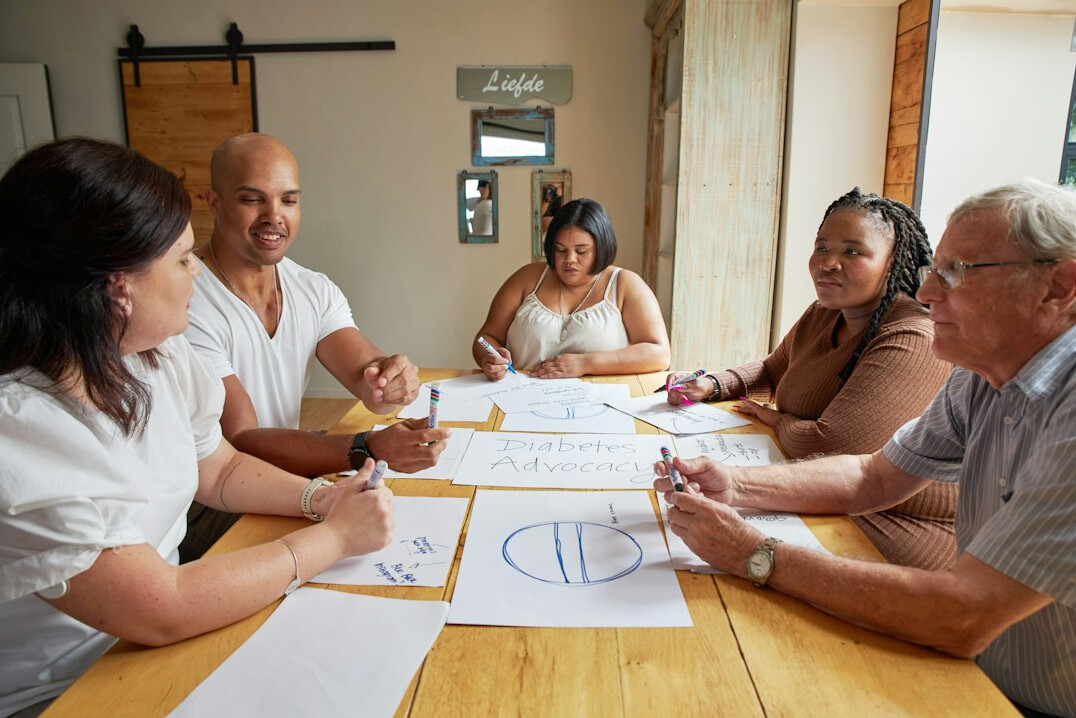
Another overlooked benefit is the community that forms around these classes. Discussions in forums or live sessions bring together individuals from varied backgrounds, all motivated by similar goals. Sharing challenges and successes creates a support network that extends past the final assignment. This sense of belonging can be especially helpful during periods when motivation dips.
Long-Term Value That Compounds
Health education is not a quick fix but an investment that keeps paying dividends. Participants often revisit course materials months or years later when facing new life stages, such as managing family nutrition or adapting exercise plans after an injury. The skills learned encourage a proactive rather than reactive approach to well-being, reducing future medical visits and improving quality of life overall.
Choosing to enroll does require some commitment of time and focus, yet the returns in confidence, capability, and connections make the decision feel worthwhile for most people. If you have been considering ways to invest in yourself, a health course could be the structured path that finally makes those changes stick.